Soul / R&B · 6 min read
RAYE
RAYE is a British singer and songwriter whose music combines a powerful voice with an unusually direct way of expressing herself. She can bring glamour and drama to a performance while singing about experiences that are uncomfortable, messy and deeply personal. Her songs move through soul, jazz, R&B, pop and dance music, with each style giving her a different way to tell a story. Sometimes she sounds composed and commanding; sometimes she sounds as though the feeling has arrived before she has had time to organise it.
Born Rachel Agatha Keen and brought up in South London, RAYE developed her songwriting skills long before many listeners knew her name. Her early career included writing for other artists and lending her voice to successful collaborations. Those years helped her understand how to build a memorable song: where to place a hook, how to make a phrase fit a rhythm and how to get an emotion across quickly. They also gave her considerable experience working within an industry where having talent does not always mean having control over your own direction.
Many people first encountered her through dance tracks and collaborations with artists such as Jonas Blue, Jax Jones and Regard. Her voice could give a polished electronic production warmth and personality, carrying a melody without losing the rhythmic precision the track needed. Even within a short guest appearance, she had a way of making a line feel conversational. That ability helped establish her as a recognisable voice before the full range of her own music became widely known.
Her path towards releasing an album was much more difficult than that early visibility suggested. She spoke publicly about frustrations with her former record label and the gap between the artist she wanted to become and the music she was being encouraged to release. After leaving the label in 2021, she moved forward independently. That decision became a significant turning point, giving her the opportunity to develop a body of work that reflected more of her interests and experiences.
Her debut album, My 21st Century Blues, arrived in 2023. It introduced a much fuller picture of RAYE as a writer and performer, making room for subjects including heartbreak, insecurity, addiction and trauma. The album’s strength comes partly from its willingness to move between different emotional states. Anger can sit beside embarrassment, confidence beside self-doubt, and humour beside something far more painful. Those changes make the writing feel close to the way people actually experience difficult periods.
“Escapism,” featuring 070 Shake, became a major breakthrough. Its restless production and flowing vocal delivery create the feeling of a night moving too quickly, with somebody trying to outrun what they are feeling. The song has the pull of a huge pop record, but its emotional world is unsettled. RAYE makes the desire to forget sound urgent, while allowing the consequences of that desire to remain visible. It became her first UK number-one single in January 2023.
Elsewhere, “Oscar Winning Tears” shows her ability to turn a relationship story into a dramatic vocal performance. There is wit in the way she addresses the other person, alongside frustration and disbelief. The arrangement gives her room to build, and she uses that space to move from measured observation into a much bigger emotional release. Her phrasing matters as much as the high notes: a slight pause or a sharper emphasis can change the meaning of a line.
“Ice Cream Man” reveals a more exposed side of her writing. Its account of sexual violence and its aftermath is difficult, direct and personal. The performance asks the listener to pay attention to the words and to the person delivering them. It is an example of RAYE using her platform to speak about an experience without making it neat or comfortable.
Her voice is particularly effective because she understands contrast. She can sing with considerable force, but she also knows when to pull back and allow a quieter line to carry the feeling. A breath, a slight roughness or a phrase delivered almost as speech can be as expressive as a sustained note. That range allows her to sound both technically assured and emotionally present.
The success of My 21st Century Blues led to a record-setting achievement at the 2024 BRIT Awards, where RAYE collected six awards. They included Artist of the Year, Album of the Year, Song of the Year and Songwriter of the Year. The recognition covered several parts of her work, acknowledging the writing as well as the voice and the finished record.
Her presentation onstage often draws on the atmosphere of classic jazz and soul performance. Elegant styling, a live band and carefully shaped arrangements create a sense of occasion. Within that setting, she remains an expressive and approachable performer. The polished appearance leaves room for humour, candid introductions and moments where the emotion of a song takes over.
Her second album, This Music May Contain Hope, was released on 27 March 2026. Organised around four seasons, it develops a journey from difficult emotional territory towards the possibility of feeling better. Across seventeen tracks, it gives her room to work with larger arrangements and a broader musical palette. Its contributors include Hans Zimmer, Al Green and members of her family, reflecting the scale and personal character of the project.
The title expresses an appealing degree of uncertainty. Hope is presented as something the music might help a person find, something that can emerge gradually. That suits RAYE’s writing because she is convincing when she allows contradictory feelings to exist together. Someone can be disappointed and still want to try again. They can recognise an unhealthy situation while finding it difficult to leave. They can laugh at themselves without making their pain insignificant.
“Where Is My Husband!” adds a playful, impatient energy to this period of her work. Its title has the bluntness of something said among friends, while the vocal performance gives the thought a much larger musical setting. The song became her second UK number-one single in January 2026, showing how effectively her personality and vocal ambition could connect with a broad audience.
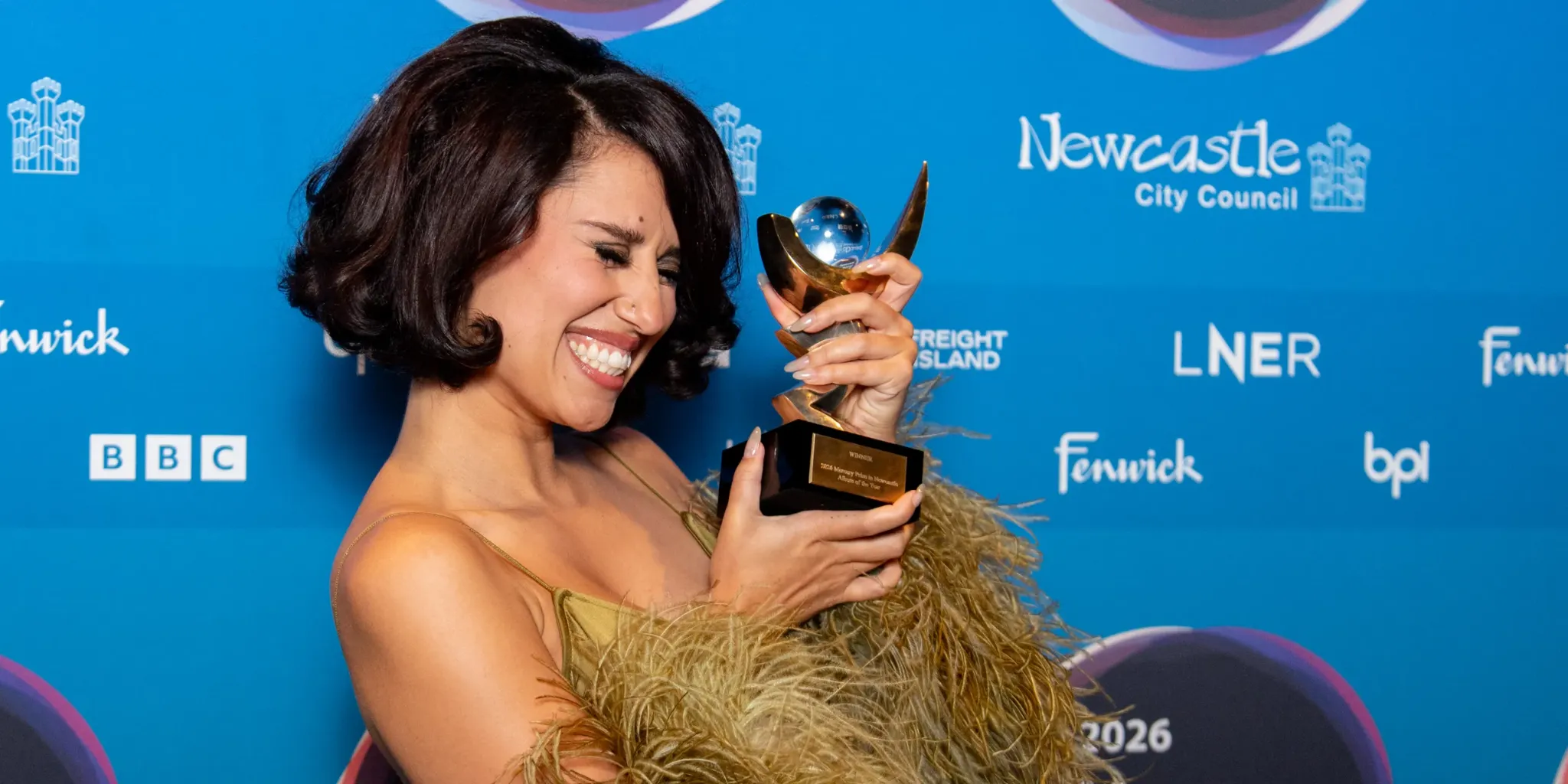
On 22 October 2026, RAYE won the Mercury Prize for This Music May Contain Hope. The award recognised an ambitious second album that brings together jazz, orchestral pop, funk and other influences across a substantial seventy-three-minute running time. It marked another important achievement in a career transformed by the opportunity to make and release music on her own terms.
RAYE’s appeal comes from the relationship between her musical confidence and the uncertainty she is willing to express. She can command a room while admitting that she does not have everything worked out. Her songs give heartbreak, frustration and self-questioning the attention usually reserved for grand romantic statements. Whether she is singing over an electronic beat or surrounded by a full band, she makes the feeling behind the performance easy to recognise.
Artist background: Official RAYE website · Mercury Prize winner announcement · 22 October 2026 · Reuters · 22 October 2026
Watch RAYE
WHERE IS MY HUSBAND! — Official Music Video
Watch on YouTube ↗YouTube loads when you press play. Some videos may need to open on YouTube.
Start with these
- Escapism.
- Oscar Winning Tears.
- WHERE IS MY HUSBAND!
Listening opens in your chosen service. Availability and subscription requirements may vary.
What do you think?
Join the conversation about RAYE.
Loading comments…